From the protests across the United States to the vandalism targeting Tesla showrooms, to the concerns in the capital markets, Musk is facing major challenges in his professional career.
Recently, a series of political statements and actions by Tesla founder and CEO Musk have sparked widespread controversy, leading to an unprecedented wave of public resistance against Tesla.
According to a report by the Financial Times, on Saturday, protesters gathered outside Tesla stores across the US to protest Musk's radical cuts to government spending. Organizers used social media hashtags #TeslaTakedown and #TeslaTakover to coordinate 37 protests nationwide.
From slogans to vandalism: protests escalate
The report states that protesters are strongly dissatisfied with Musk's actions, such as firing tens of thousands of civil servants through DOGE and obtaining sensitive payment information from the US Treasury. Additionally, Musk's public support for the German far-right party and his calls to overthrow the center-left government led by UK Labour Party leader Keir Starmer have further inflamed public anger.
Initially, some Tesla owners expressed their discontent by putting up slogans like "I bought this car before Elon went crazy" on their vehicles. Now, the protests have escalated to more violent forms.
According to reports, activists in Berlin projected images of Musk making Nazi salutes onto the Tesla factory. Furthermore, there have been incidents of arson and attempted arson targeting Tesla centers in Oregon and Colorado.
Earlier this month, a Tesla showroom in The Hague was vandalized with Nazi symbols and anti-fascist slogans. The Financial Times stated that the Dutch police have confirmed they are in contact with Tesla and the investigation is ongoing, but no arrests have been made yet.
Edward Niedermeyer, the author of the book "Ludicrous: The Unvarnished Story of Tesla Motors," participated in the protest in Portland. He believes that since Musk's power does not come from public office, boycotting and selling Tesla is the only way to curb his agenda.
The public's resistance is also reflected in the capital markets. According to reports, Tesla's stock price soared after the 2020 US election, but since the beginning of this year, its stock price has cumulatively fallen by 12%.
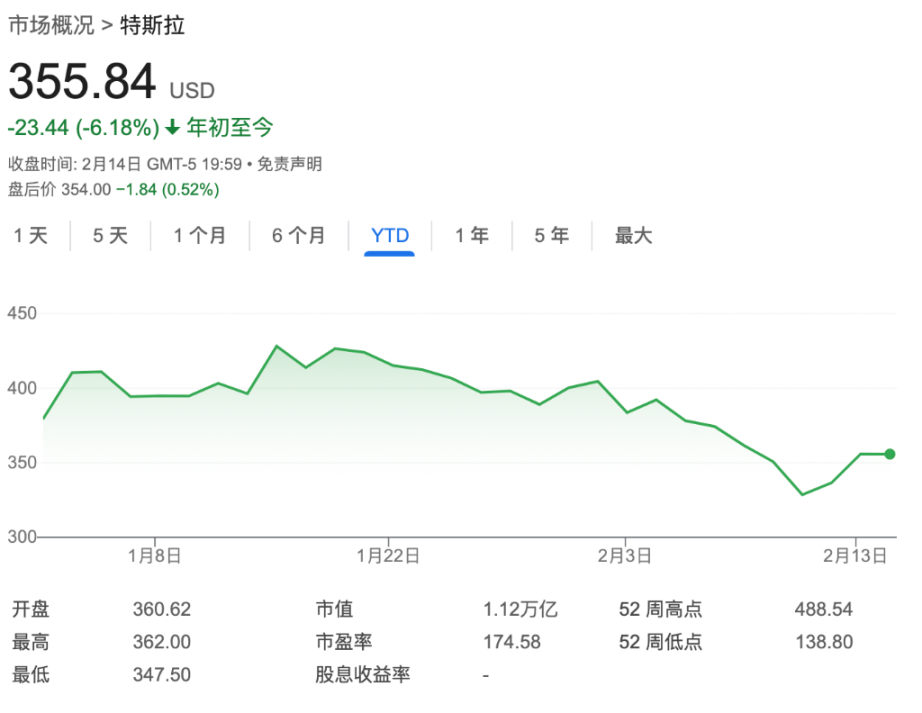
Niedermeyer believes that Tesla is overvalued, and its core automotive manufacturing and sales business is deteriorating, with significant losses that may force investors to sell, leading to a stock price decline and forcing Musk to sell some of his shares to meet margin calls.
Wedbush analyst Dan Ives analyzed:
"Wall Street's concern is that Musk has spent too much time on DOGE - even more than we expected - which has taken away from his time at Tesla."
"Furthermore, Musk's DOGE-related behavior and his stronger alliance with Trump could potentially alienate some consumers, causing them to distance themselves from the Tesla brand."